
Blog
Latest News
The Importance of Activities in a Care Home
22 June 2026
|
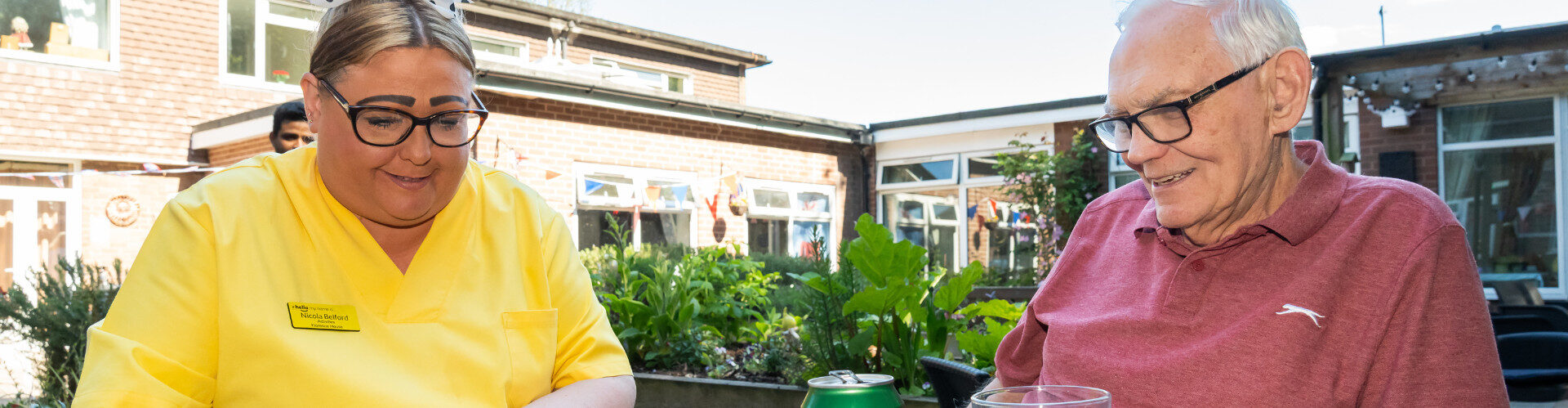
Moving into a care home should not mean losing independence, enjoyment or opportunities to stay active. Meaningful activities play an important role in supporting residents’ wellbeing, confidence and quality of life.
A good care home should not only meet physical care needs, but also help residents continue enjoying fulfilling and meaningful experiences each day.
More than just Entertainment
Activities in a care home are about far more than simply filling time. Good activities help residents remain socially connected, mentally stimulated and emotionally supported. They can reduce loneliness, improve confidence and encourage friendships between residents.
For many people, maintaining hobbies and interests is an important part of maintaining identity and independence. Continuing to take part in enjoyable activities can help residents feel more settled, valued and involved in daily life within the
Home.
A robust activities programme, that the Home can evidence is one of the factors that can improve a CQC rating from “good” to “outstanding”.
Supporting Physical and Mental Wellbeing
Regular activities can support both physical and mental health. Gentle exercise sessions, gardening, walks, movement classes and games can help residents stay mobile, active and engaged.
Other activities such as quizzes, music, arts and crafts, baking, film afternoons or reminiscence sessions can encourage conversation, creativity and memory recall. These activities are particularly valuable for residents living with dementia, as familiar songs, photographs and discussions can provide reassurance, comfort and emotional connection.
Remaining mentally and socially active can also help improve mood and reduce feelings of isolation or anxiety.
Person-Centred Activities Matter
The best care homes do not take a “one size fits all” approach to activities. Meaningful activities should reflect residents’ individual interests, preferences, backgrounds and abilities.
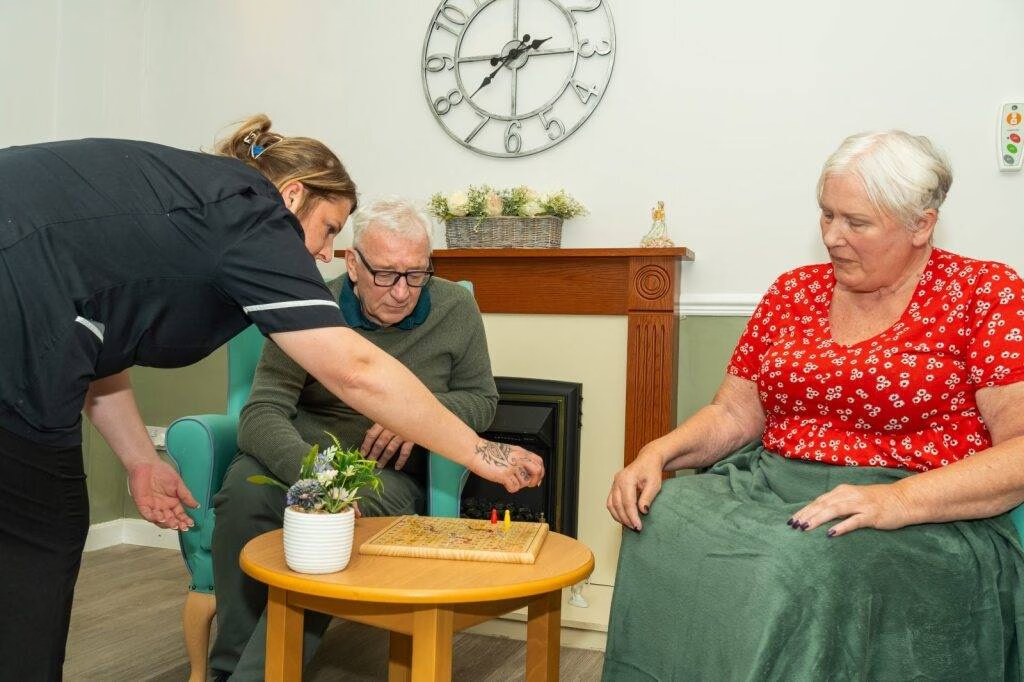
Some residents may enjoy group entertainment, parties and social events, while others may prefer quieter one-to-one activities such as reading, puzzles, knitting or spending time outdoors. Taking time to understand each resident helps create more personalised and meaningful experiences.
Families can also play an important role by sharing information about hobbies, careers, interests and routines that are important to their loved one.
Creating a Positive Environment
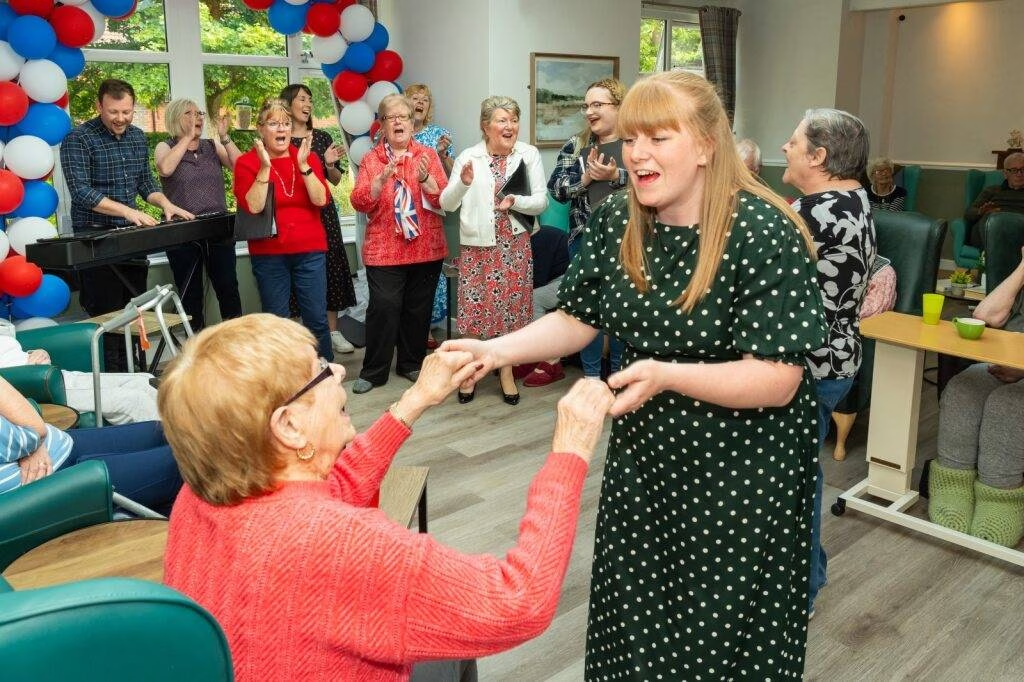
A busy and active care home often feels warmer, happier and more welcoming. Families are reassured when they see residents laughing, socialising and enjoying meaningful experiences.
Activities also help create routine, purpose and positive memories. Whether it is celebrating birthdays, enjoying live entertainment, welcoming visiting animals or simply sharing tea and conversation during a group session, these moments can make a significant difference to daily life.
Conclusion
Activities are an essential part of high-quality care. They support wellbeing, encourage social interaction and help residents continue enjoying life in a safe and supportive environment. The best care homes understand that good care is not only about meeting needs – it is also about helping residents live meaningful, enjoyable and connected lives.
Why Transparency and Good Culture matter in a Care Home
22 June 2026
|
Choosing a care home is one of the most important decisions a family can make. While facilities, décor and activities all matter, transparency and culture are often the factors that have the greatest impact on residents’ daily experiences and overall quality of care.
A care home may look impressive on the surface, but the real test is how people are treated, how staff work together, and whether families feel informed, listened to and reassured.
What does Good Culture mean?
A positive care home culture is built on kindness, dignity, respect, honesty and accountability. In Homes with strong cultures, residents are treated as individuals, staff feel supported, and communication is open and professional.
Culture influences everything from how staff speak to residents, to how concerns are managed and how teamwork functions during busy or difficult periods. Residents are often happiest and most settled in Homes where the atmosphere feels calm, welcoming and supportive.
Good culture also means creating an environment where residents are encouraged to maintain independence, make choices and continue enjoying meaningful lives.
The Importance of Transparency
Families place enormous trust in care providers, often during emotional and stressful circumstances. Open and honest communication helps build confidence and reassurance.
Transparency means being clear and professional about:
changes in a resident’s health or wellbeing
incidents or accidents
care planning and support needs
staffing arrangements
how concerns or complaints are addressed.
Families generally understand that challenges can arise in any care setting. What matters most is whether the Home communicates openly, takes concerns seriously and responds appropriately.
Transparent care homes are usually more trusted because they do not avoid difficult conversations or create unnecessary uncertainty for relatives.
Supporting Residents and Staff
Good culture benefits both residents and employees. Staff who feel respected, valued and supported are more likely to provide compassionate, consistent and person-centred care.
Strong leadership also plays an important role. Managers should create environments where staff feel comfortable asking questions, raising concerns and learning from mistakes without fear of unfair blame.
This openness helps improve safety, teamwork and accountability across the Home.
Residents also benefit when staff morale is positive. Warm interactions, patience and genuine kindness are often the result of teams who feel well led and supported in their roles.
Building Trust and Confidence
Families want reassurance that their loved one is safe, respected and cared for properly. A transparent and well-led care home creates confidence because people know communication will be honest and concerns will be taken seriously.
Positive culture also helps create a happier and more welcoming environment for residents, visitors and staff.
Conclusion
Transparency and good culture are not optional extras in care – they are essential foundations of a safe, caring and well-led Home. The best care homes create environments where residents feel valued, families feel reassured and staff feel proud of the care they provide every day
How to Choose the Right Care Home for Your Loved One
8 December 2025
|
Choosing a care home is one of the most significant decisions a family can make. Whether it’s for a parent, partner, or close friend, finding the right environment—where they’ll feel safe, supported, and at home—takes time, care, and research.
If you’re wondering how to choose a care home, or searching terms like “dementia care home near me” or “best care homes in Staffordshire”, here are some essential steps to guide you through the process.
1. Understand the Needs of Your Loved One
Before you begin your search, it’s crucial to identify the type of care your loved one needs. Are they looking for companionship and support with daily tasks, or do they require more specialist care?
Residential care: Ideal for individuals who need help with day-to-day living, such as meals, hygiene, or medication.
Dementia care: For those with memory-related conditions, a home with trained dementia specialists and a calm, structured environment is essential.
Nursing care: If there are complex medical needs, a nursing care setting with on-site qualified nurses may be most appropriate.
Talking to your GP or social worker can help clarify what level of care is needed.
2. Do Your Research: Use Trusted Tools and Resources
Make the most of resources available to help compare care homes in your area:
CQC reports: The Care Quality Commission regularly inspects and rates care homes. You can search by location or name to check the latest reports.
Local directories: Councils and charities like Age UK provide searchable directories of homes, often with helpful guides and filters.
Reviews and testimonials: Hearing from other families can offer insight into the experience of living there—both the care and the culture.
If you’re in Staffordshire, many families search online for “best care homes in Staffordshire” to begin building a shortlist.
3. Visit in Person: What to Look Out For
Nothing beats walking through the doors and seeing for yourself. A few key things to observe:
Staff interactions: Are they warm, respectful, and attentive? Do they seem genuinely happy in their roles?
Environment: Is it clean, well-maintained, and homely? Notice the noise levels, smells, and communal areas.
Daily routines: Ask about meals, activities, and how the day is structured. A good care home supports independence while ensuring safety.
It can help to visit more than once and at different times of day.
4. Consider the Practical and Emotional Aspects
Logistics matter—location, fees, and availability—but so do the less tangible things.
Will your loved one feel a sense of belonging?
Are their cultural, spiritual, or dietary needs respected?
Do they feel at ease when visiting?
it is sometimes easier to trial the home to start with in the form of respite – to make sure they are happy and it’s the right place for them.
People can also bring certain furniture and we are also happy to decorate (paint) the room to their preference (within reason and staff availability).
Involve your loved one in the decision where possible. Their feelings, preferences, and comfort should lead the way.
Conclusion: It’s About More Than Just Facilities
While it’s tempting to focus on décor or amenities, the right home is ultimately one that aligns with your family’s values, expectations, and emotional needs.
Take your time, ask questions, and trust your instincts. Whether you’re exploring dementia care homes near you or simply searching for a place that feels like home, the right choice is the one where your loved one can thrive.

When Is the Right Time for a Care Home?
6 November 2025
|
When is the right time for a care home?
If you’re caring for an elderly parent or loved one, the question of whether they might need more support can weigh heavily. You may be wondering: “Are they safe at home?” or “Am I doing enough?” These are natural concerns — and many families face them.
Knowing when it’s time to consider residential care isn’t always clear. But recognising the signs and understanding your options can help you take the next step with confidence and compassion.
Signs It Might Be Time to Consider a Care Home
Every person is different, but here are some of the most common indicators that your loved one may benefit from professional care and a safer, more supported environment:
1. Declining Physical Health or Mobility
Are they having frequent falls, struggling with stairs, or finding it hard to manage washing, dressing, or preparing meals?
2. Memory Loss or Confusion
Are you noticing missed medications, repeated conversations, or concerns about them getting lost or leaving things switched on?
3. Increased Isolation or Loneliness
Living alone can become very isolating. If your loved one is withdrawing, seems low in mood, or isn’t seeing others regularly, a care home can offer community and connection.
4. Unmanaged Medical Needs
If you’re worried about whether they’re keeping up with medication, managing long-term conditions, or attending appointments, it may be time for additional help.
5. Caregiver Burnout
If you’re the primary caregiver and feeling overwhelmed, exhausted, or anxious — it’s important to recognise that you need support too. Choosing a care home doesn’t mean giving up — it means ensuring your loved one has 24/7 care, while you regain time to simply be their family.
When a Care Home Can Improve Quality of Life
Moving into a care home isn’t about loss — it can be a step toward a better life. With daily meals, housekeeping, safe surroundings, and social activities, your loved one can enjoy comfort, routine, and renewed independence with support always nearby.
At Safe Harbor, we see this transformation every day: residents who were isolated at home begin thriving in a warm, engaging community — surrounded by people who care.
Still Unsure?
Many families are. Here are some first steps you can take:
Talk to your loved one’s GP about their care needs
Contact your local council for a care assessment
Explore respite care as a short-term option
Visit care homes to get a feel for the environment
You’re Not Alone
This is a big decision — and you don’t have to make it alone. Our team at Safe Harbor is here to guide you through the process and answer any questions with honesty, empathy, and care.
If you’re starting to explore care for a loved one, we’re here to help you take the next step.
Explore our homes in Stoke and Newcastle-Under-Lyme or get in touch: safeharbor.co.uk, 01782 81 25 25
Useful reading: NHS – Social care and support guide
Bingo, Sunflowers and Cowboy Hats: How Activities Bring Joy to Safe Harbor Homes
29 August 2025
|
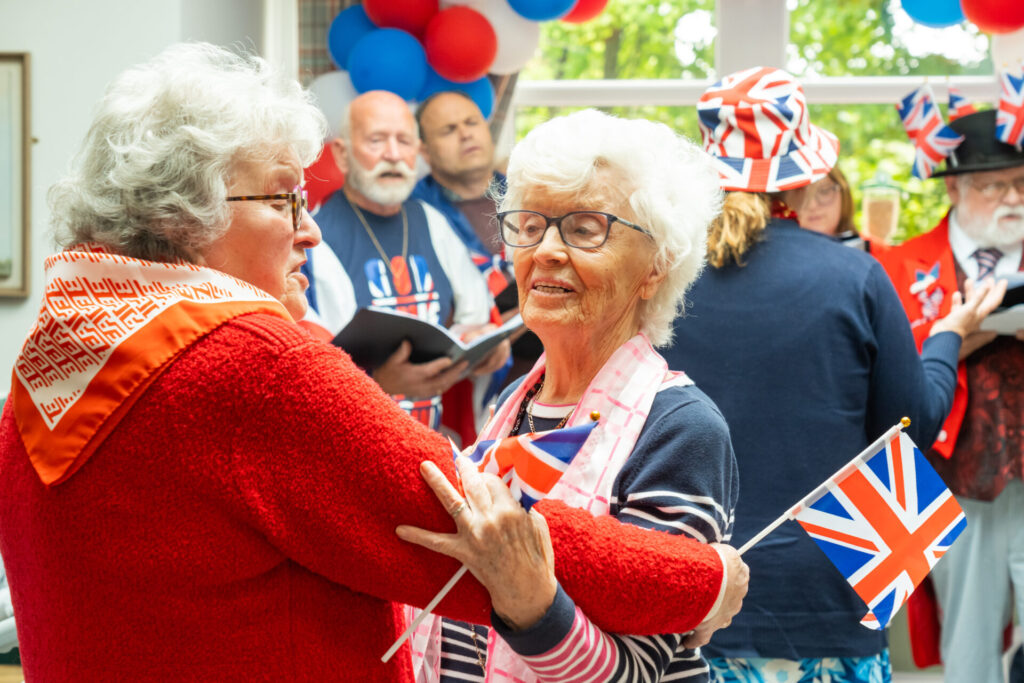
A game of bingo. A walk by the pond. A cowboy hat or two. At first glance these may seem like small moments, but in Safe Harbor homes they are the heartbeat of daily life.
For older people, activities are not just a way to pass the time. They bring purpose, spark laughter, and keep both mind and body active. Research shows that staying engaged through movement, creativity, and companionship supports memory, lifts mood, and helps reduce loneliness. At every Safe Harbor home you will find plenty of these moments that make life meaningful.
The Place Up Hanley: Sunflowers, Strolls and Smiles
At The Place Up Hanley, residents have enjoyed peaceful nature walks, got creative for National Sunflower Day, and tested their knowledge in lively trivia games.
There have been plenty of laughs as well, especially when baby Maeve visited and filled the home with joy. Afternoons of bingo, a gentlemen’s gathering with Western films and a cheeky beer, and some relaxing pamper time have all kept spirits high. Even simple outings such as a trip to Asda or a haircut in the salon turn into opportunities for independence and connection.
Agnes and Arthur: Songs, Stories and Special Bonds
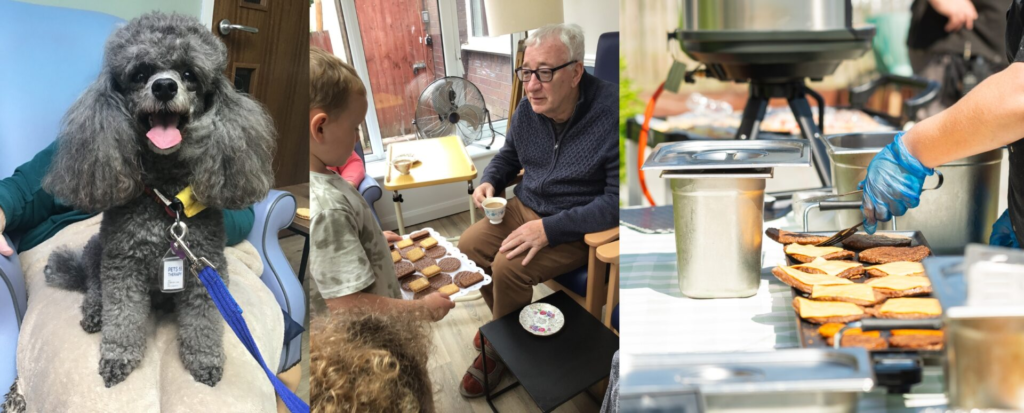
Agnes and Arthur has been alive with music, memory, and family connection. Residents reminisced about past holidays, sharing stories so funny they had everyone in stitches. They also enjoyed a lively game of Name That Song, where music brought people together in smiles and laughter.
Special visitors have added even more joy. Sasha the therapy dog brought cuddles and comfort, while local children joined for a coffee morning with biscuits, games, and plenty of giggles. Families have been involved too, with a relatives meeting that helped strengthen bonds between staff, residents, and loved ones. Outings have also been a highlight, from a gentle walk around Bradeley Pond to shopping trips and even a birthday meal out with family. These moments show that life at Agnes and Arthur is about far more than care—it is about belonging.
Florence House: Bingo, Boots and Cowboy Tunes
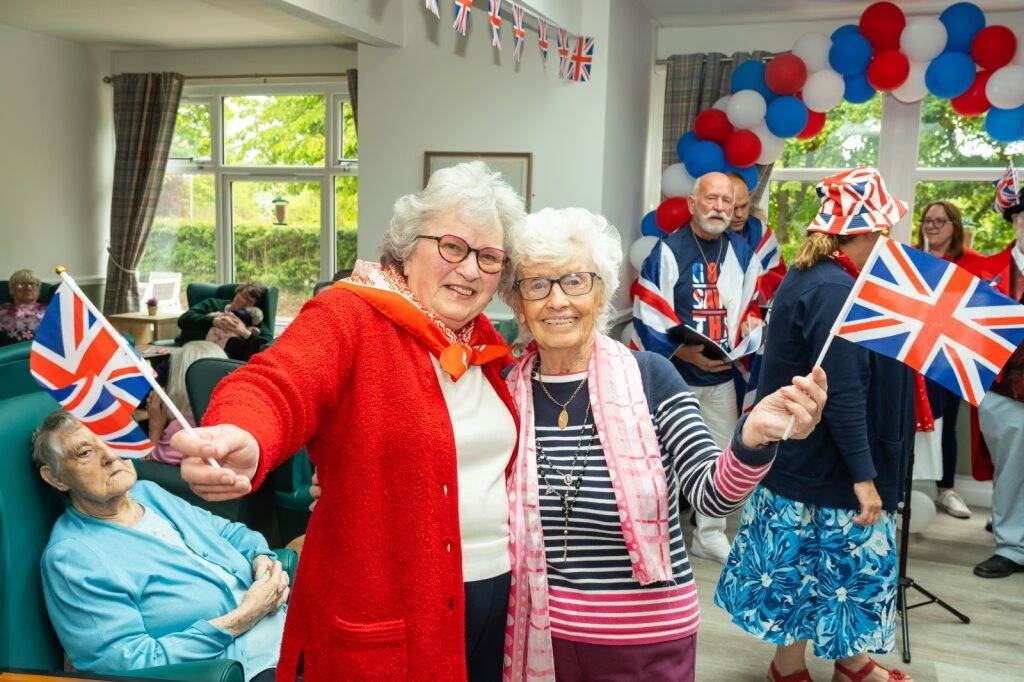
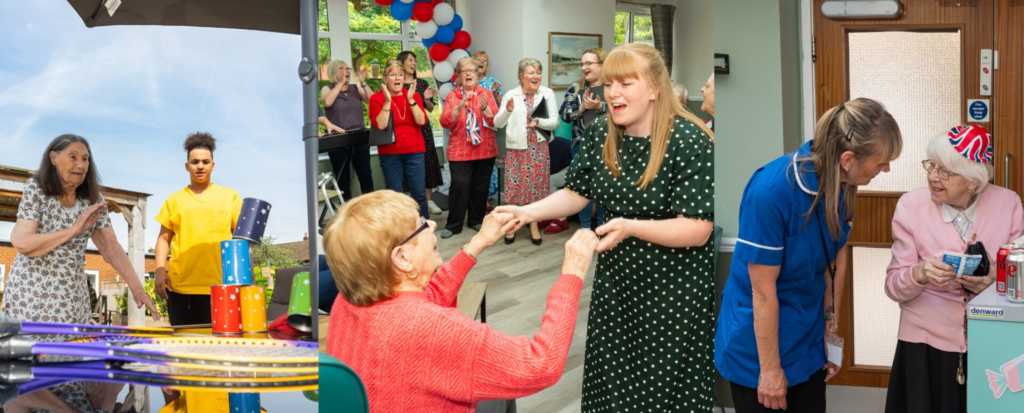
Florence House has seen a mix of creativity and celebration. Residents have enjoyed pampering sessions, jigsaws, and brightening up garden tools with colour. Bingo has, of course, been a favourite, always sparking friendly competition and smiles. There has also been time for adventures. A couple of gentlemen enjoyed some retail therapy, and Sasha the therapy dog made another much-loved visit. The highlight, though, was Cowboy Day. With hearty Western food, live music from Sounds Familiar, and plenty of singing and dancing, residents and staff shared a day to remember.
Why Activities Matter
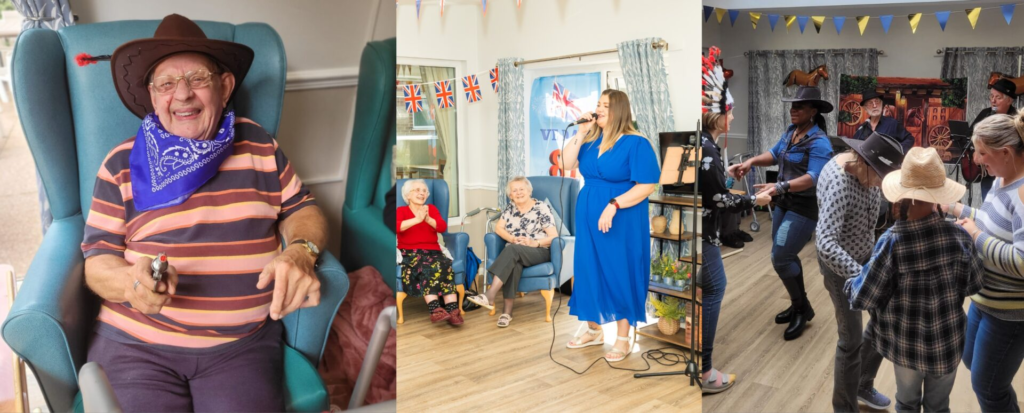
What ties all these stories together is their impact. Activities in Safe Harbor homes are not simply entertainment; they are vital for wellbeing. Gentle exercise improves balance, games keep the mind sharp, music lifts mood, and shared laughter creates community.
The benefits are backed by research, but you can also see them in everyday life: the pride in a finished craft, the calm of a walk by the water, or the joy of holding a therapy dog.
Closing Thought
At Safe Harbor, every day is an opportunity to celebrate life. Through creativity, companionship, and joy, residents at Florence House, The Place Up Hanley, and Agnes and Arthur enjoy more than care. They enjoy connection, meaning, and moments worth cherishing.
Families are always welcome to visit and see the happiness for themselves. Because here, every day has a spark worth celebrating.
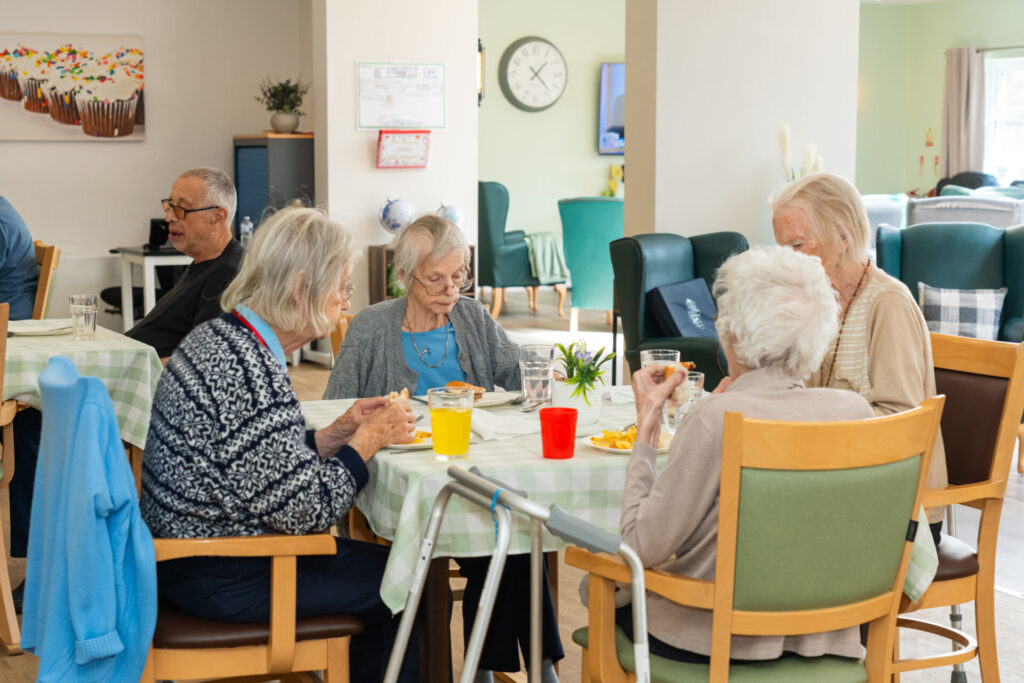
Choosing the Ideal Care Home in Stoke on Trent
12 June 2025
|
As our loved one’s age, it often becomes necessary to consider alternative living arrangements to ensure their safety, health, and overall well-being. Care homes, such as Safe Harbor, offer a supportive environment for those who need assistance with daily activities or medical care.
The Importance of Social Activities for Residents in Care Homes
11 March 2025
|
At Safe Harbor Care Homes in Stoke on Trent, we understand that providing a safe and comfortable environment for our residents goes beyond just meeting their physical needs. Engaging social activities play a vital role in enhancing the overall well-being of our residents, fostering a sense of community, and improving their quality of life.
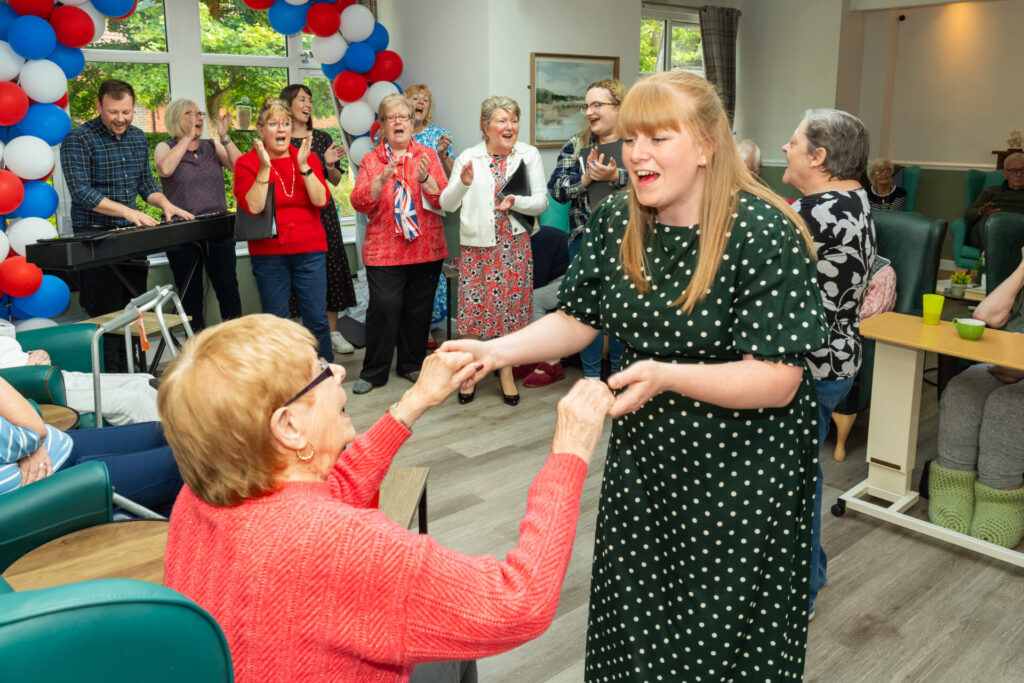
10 Armchair Exercises to Keep Elderly People Moving and Active
11 March 2025
|
As we get older, physical activity becomes much more important, but often harder. Mobility issues in elderly people can increase the risk of injury and make traditional exercise challenging. That’s why, here at Safe Harbor Care Homes in Stoke-On-Trent, we opt for armchair exercises!